Costa Rica: Where the Rainforest Keeps Its Secrets
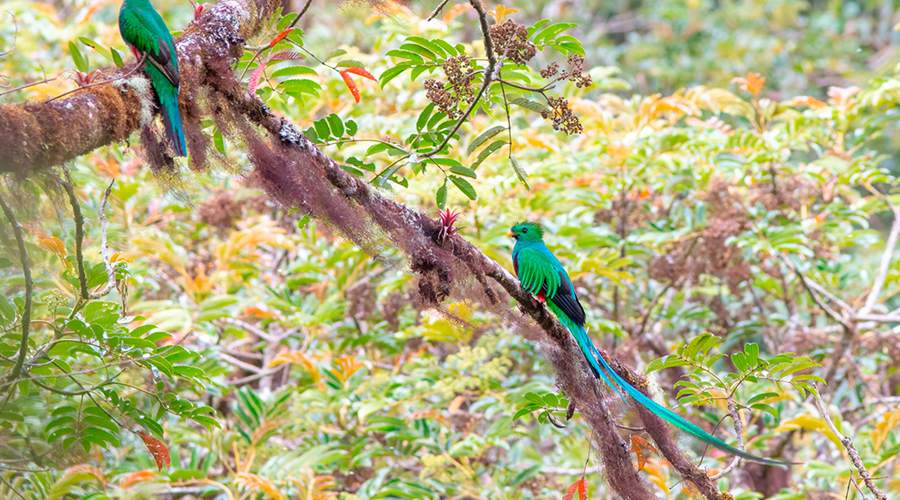
Costa Rica is famous for spectacular birds such as toucans, hummingbirds and the Resplendent Quetzal. Yet some of the country’s most fascinating birds are the ones that most visitors never see. Hidden deep within the rainforest understory, these elusive species are masters of camouflage, often heard long before they are ever seen.
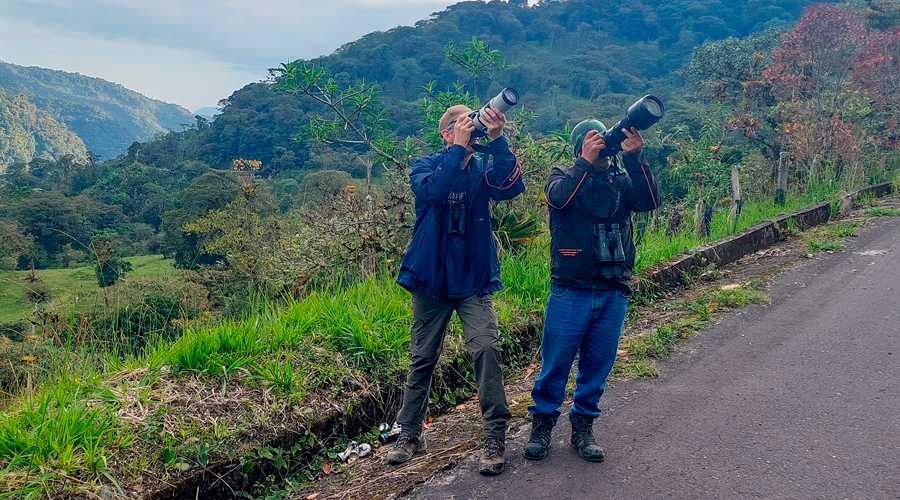
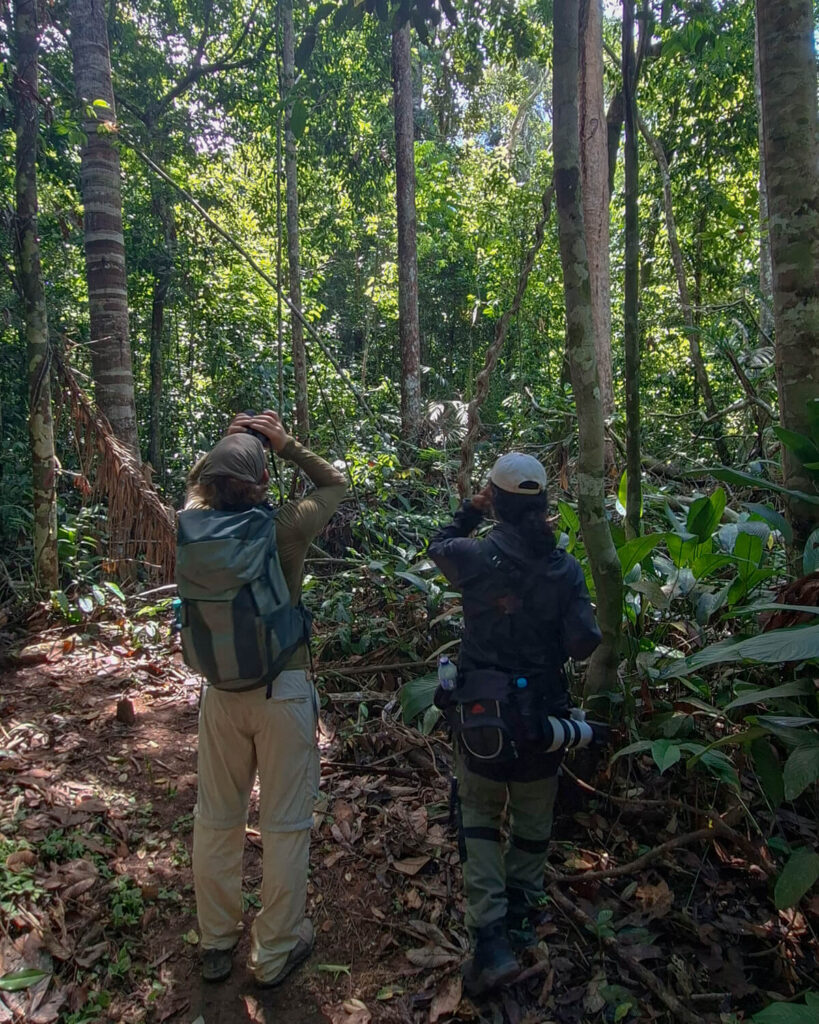
Finding one of these so-called “ghost birds” is rarely a matter of luck. It takes patience, sharp observation skills and an understanding of their behaviour. The reward, however, is unforgettable. Few birding experiences compare to finally spotting a bird that has remained invisible despite being only a few metres away.
In this article, we introduce five of Costa Rica’s most elusive rainforest birds and share the field techniques our guides use to find them, along with the best places to search for each species. Several of these remarkable birds can also be encountered on our carefully designed birding itineraries, where carefully selected local guides maximize your chances of finding Costa Rica’s most secretive rainforest specialists.
Tody Motmot
Hylomanes momotula
Why is it so elusive?
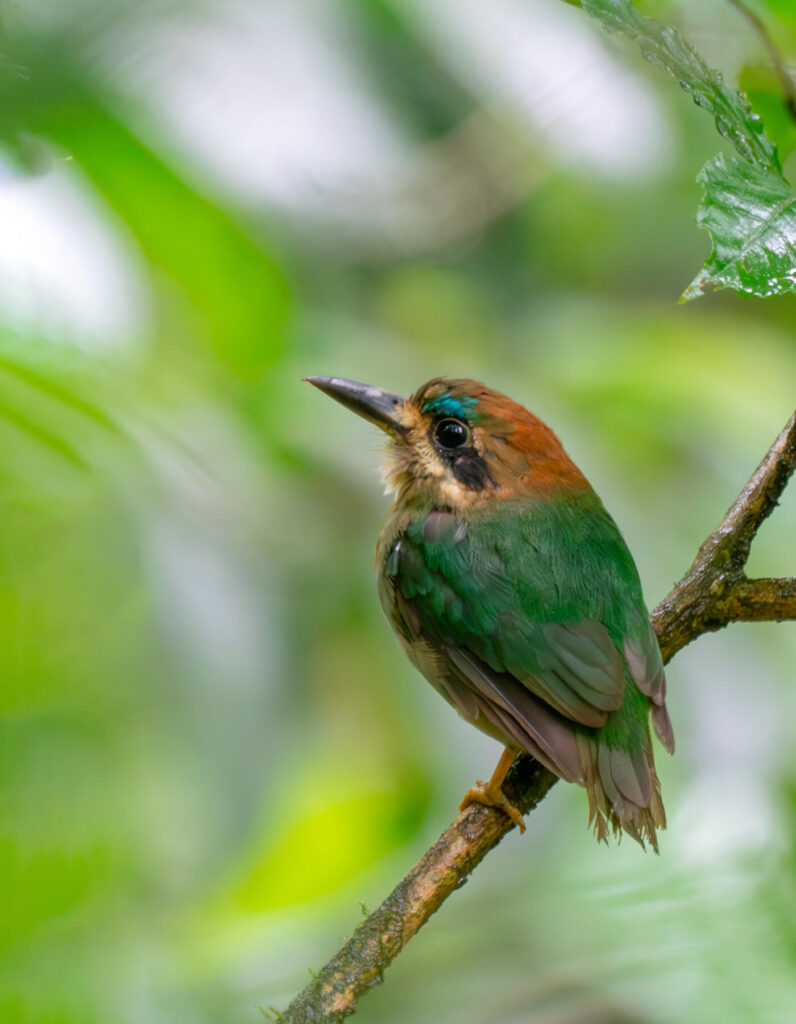
The Tody Motmot is the smallest and perhaps the most unusual member of the motmot family. It is found only in mature foothill rainforest on the Caribbean slope and parts of the northern Pacific slope, where it spends most of its time hidden in the dense understory.
Although it is not particularly rare in suitable habitat, it is one of Costa Rica’s easiest birds to overlook. You may be standing only a few metres away, hearing its distinctive call and knowing roughly where the bird should be, yet still be unable to find it. Its green plumage blends perfectly with the surrounding vegetation, allowing it to remain motionless for long periods before quietly disappearing deeper into the forest. Finding—and especially photographing—a Tody Motmot requires patience, perseverance and the help of an experienced local guide who knows the bird’s preferred territories.
Few birds test a birder’s patience quite like the Tody Motmot, making every successful sighting feel well earned.
📍Where to look?
- Rincón de la Vieja National Park – Mature tropical dry forest
- Bijagua area – Several known territories in primary rainforest
- Arenal area – Occasionally observed in dense rainforest
Bicolored Antbird
Gymnopithys bicolor
Why is it so elusive?
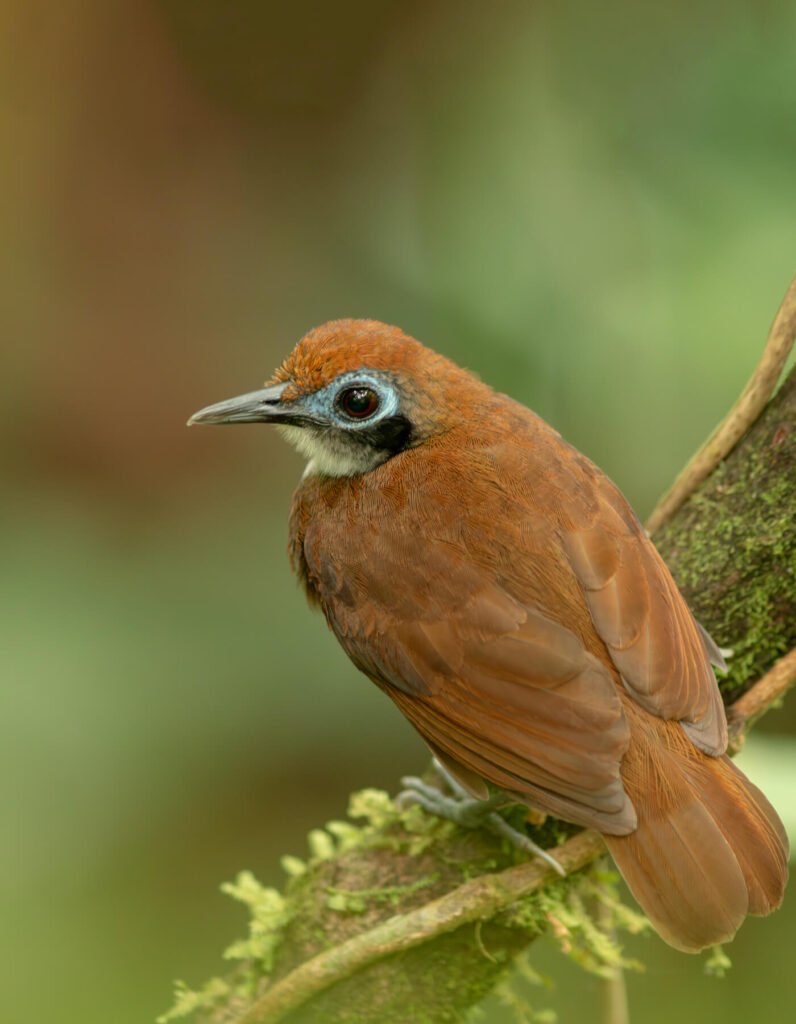
The Bicolored Antbird is one of those species that is either not seen at all or seen exceptionally well. Everything depends on whether you happen to find one of the rainforest’s most fascinating spectacles: a raiding army ant swarm.
As thousands of army ants move across the forest floor, they flush insects, spiders and other small creatures from the leaf litter. Rather than feeding on the ants themselves, Bicolored Antbirds take advantage of this natural event by catching the escaping prey. Completely focused on the feeding frenzy, they often become remarkably approachable, allowing excellent views of their striking bright blue eye-ring and the subtle contrast between their warm brown and white plumage.
Watching birds follow army ant swarms is one of the most remarkable wildlife experiences the Neotropics have to offer. It is a fascinating ecological relationship that can only be observed in the tropical forests of Central and South America, making every encounter with a Bicolored Antbird even more memorable.
Finding a Bicolored Antbird isn’t simply a matter of locating the bird—it begins with finding an active army ant swarm.
📍Where to look?
- Carara National Park – Active army ant swarms
- Corcovado National Park – Primary lowland rainforest
- Bijagua area – High army ant activity
Spotted Antbird
Hylophylax naevioides
Why is it so elusive?
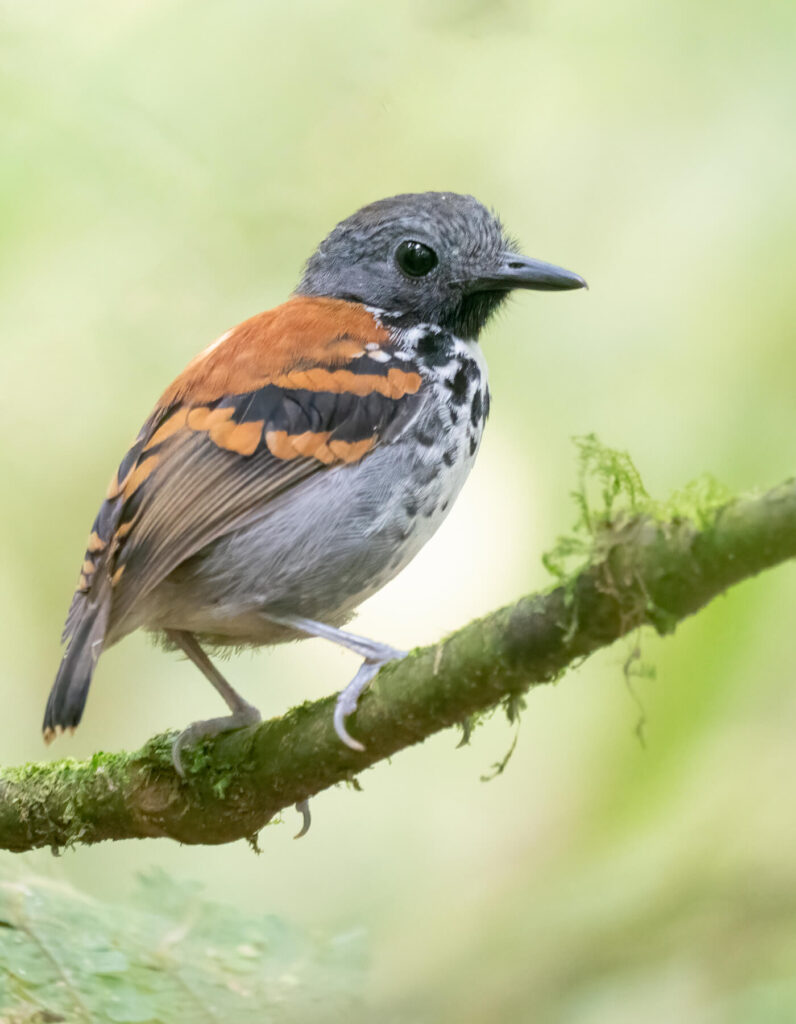
Unlike the Bicolored Antbird, the Spotted Antbird is not entirely dependent on raiding army ant swarms and can often be found foraging on its own in the dense rainforest understory. Nevertheless, it will readily join mixed flocks of other ant-following birds whenever an active swarm is present. Almost always, you’ll encounter a pair rather than a single bird, with the strikingly patterned male usually attracting attention first, followed by the more subtly coloured female.
The key to finding a Spotted Antbird is usually not your eyes, but your ears. Learning to recognize its subtle call allows you to pinpoint the general area where the birds are hiding. From there, patience and concentration become essential. Watch carefully for a small movement—a quick hop or a short flight through the dense vegetation. Once you’ve picked them up, they often pause briefly on an exposed perch before disappearing again into the understory.
Photographing a Spotted Antbird is a real test of field skills. Spotting the birds quickly, getting your binoculars or camera on them, and taking advantage of those few precious seconds before they vanish again all require experience, fast reactions and a well-trained eye.
Few rainforest birds demand sharper observation skills than the Spotted Antbird.
📍 Where to look?
- Arenal area – Mature rainforest
- Bijagua area – Intact rainforest
- La Selva Biological Station – Around army ant swarms
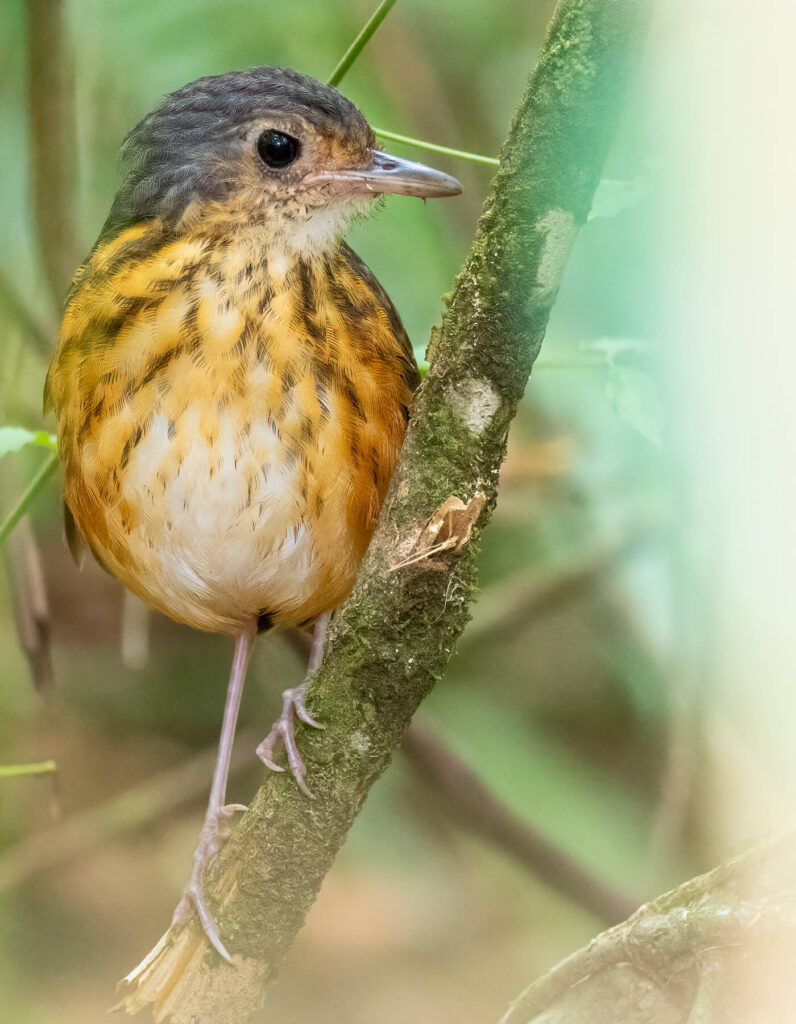
Thicket Antpitta
Hylopezus dives
Why is it so elusive?
The haunting call of the Thicket Antpitta is one of the characteristic sounds of the Arenal rainforest. Despite being heard regularly, it is one of the area’s most elusive birds, and many visitors leave without ever seeing one.
Finding a Thicket Antpitta requires time, patience and plenty of discipline. In most cases, subtle use of playback is needed to encourage the bird to approach. Once it starts moving in, the real challenge begins. Everyone must remain perfectly still—no talking, no sudden movements and, preferably, not even breathing… or at least that’s how it feels! The bird advances cautiously through the dense vegetation, often taking several minutes before finally revealing itself.
Just when you begin to think it isn’t coming after all, it suddenly hops into view. The encounter usually lasts only a few seconds, but those brief moments often provide outstanding views before the bird quietly disappears back into the undergrowth.
Few birding moments are as satisfying as watching a Thicket Antpitta finally step out of the shadows.
📍 Where to look?
- Arenal area – Mature rainforest
- Bijagua area – Primary rainforest
- Turrialba area – Dense rainforest
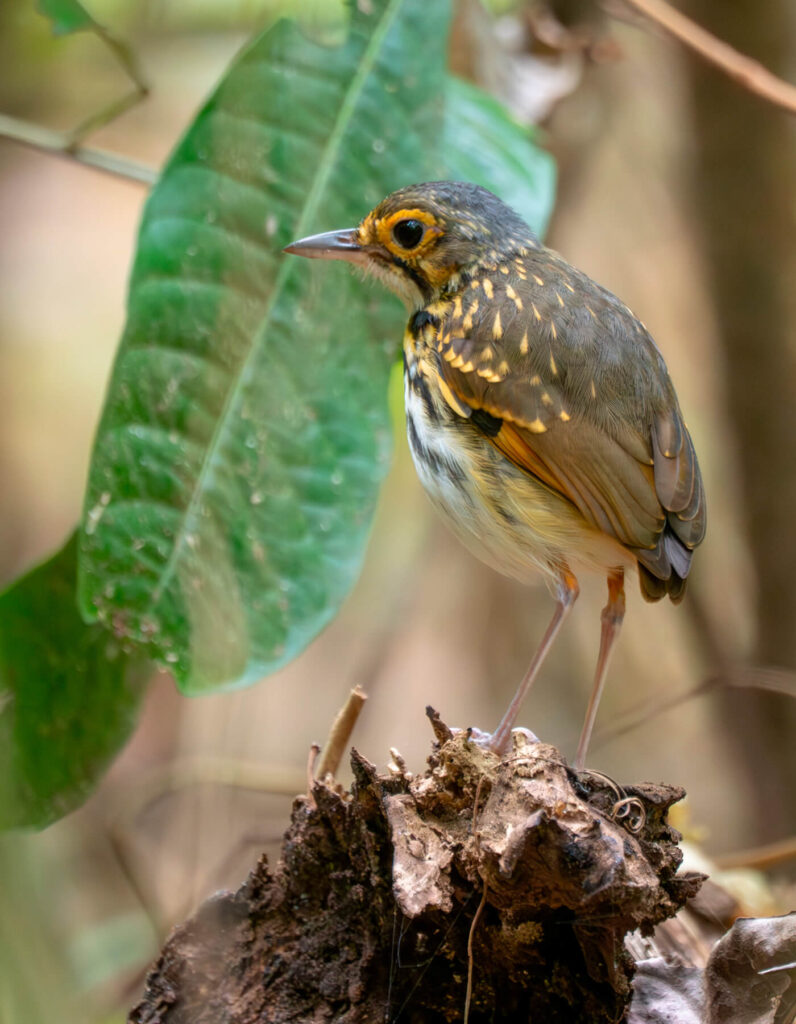
Streak-chested Antpitta
Hylopezus perspicillatus
Why is it so elusive?
The Streak-chested Antpitta is another true ghost bird, spending most of its life quietly foraging across the rainforest floor. Its haunting, almost melancholic call carries surprisingly far through the forest, often revealing its presence long before the bird itself is seen.
Unlike many tropical birds, it doesn’t rely on bright colours. Instead, its subtle shades of brown, grey and white, combined with the finely streaked chest, provide perfect camouflage among the leaf litter. More than once, I’ve stood within just a few metres of a Streak-chested Antpitta standing in the open without noticing it. Only when it suddenly makes a short dash across the forest floor do you finally pick it up. That’s why slowly and carefully scanning the forest floor in the direction of its call is often the best strategy.
Despite its reputation, the Streak-chested Antpitta isn’t particularly shy. Once you’ve found it, it often allows prolonged views, even with a group of birders standing only a few metres away. One of the highlights is watching it vocolize, puffing up its body and slightly tilting its head upwards—a behaviour that is as fascinating as it is beautiful to observe.
The greatest challenge isn’t getting close to a Streak-chested Antpitta—it’s realizing it’s already standing right in front of you.
📍 Where to look?
- Carara National Park – Mature rainforest
- Braulio Carrillo National Park – Dark rainforest floor
- Corcovado National Park – Dense primary rainforest
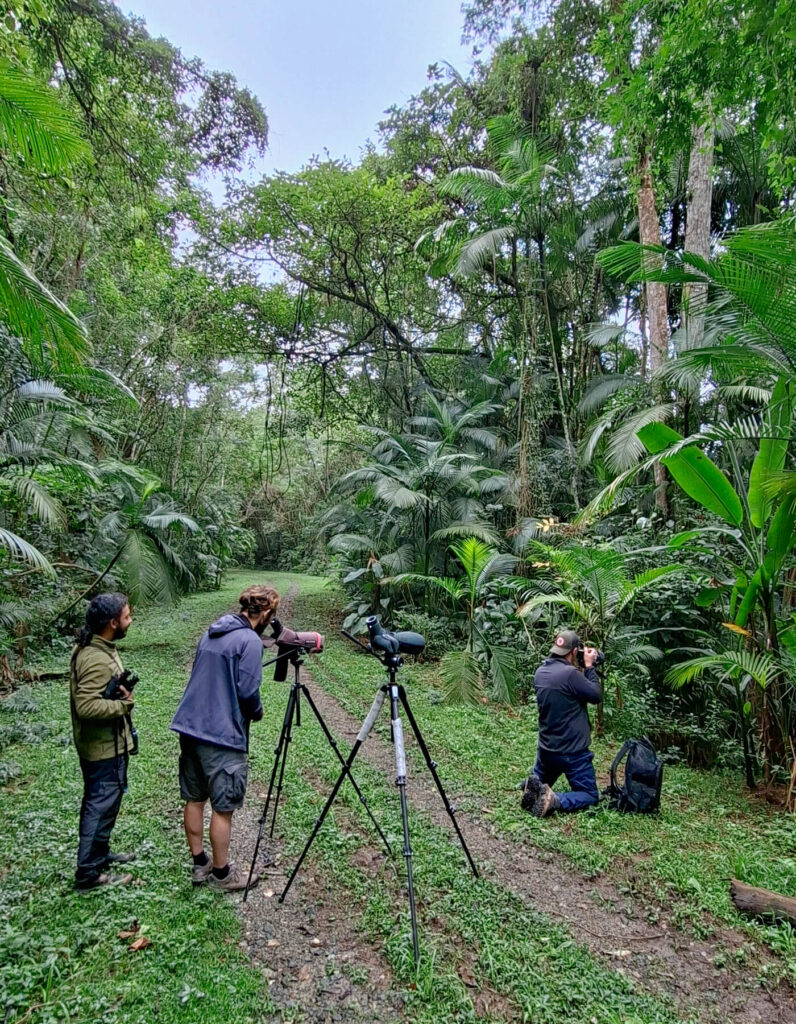
The Rainforest Rewards Those Who Slow Down
Some of Costa Rica’s most memorable birds aren’t the brightest or the loudest—they’re the ones that challenge your patience, sharpen your observation skills and reward those who take the time to truly experience the rainforest.
Finding these “ghost birds” is rarely a matter of luck. It comes from understanding their behaviour, recognizing their calls and knowing where—and when—to look. That’s why experienced local guides can make all the difference. Throughout Costa Rica, Aratinga Tours works with an extensive network of carefully selected local birding guides who know these forests intimately, significantly increasing your chances of seeing many of the species featured in this article
Whether you’re hoping to observe these elusive rainforest specialists or simply experience the thrill of finding them, our carefully designed birding tours offer unforgettable experiences throughout the country’s most diverse ecosystems.
Sometimes the rainforest’s greatest treasures are the ones that refuse to reveal themselves too easily.
Continue Your Birding Adventure
Whether you’re looking for more birding inspiration or planning your next adventure in Costa Rica, here are a few more articles and tours you might enjoy.