Best Camera Gear for Bird Photography in Costa Rica (2026 Guide)
Costa Rica is one of the world’s top destinations forbirding tours in Costa Rica, offering incredible diversity and year-round opportunities. From colorful feeders to dense rainforest interiors, the country presents a wide range of lighting conditions—each requiring a slightly different approach and gear setup.
In this guide, we explain how to choose the right camera gear depending on conditions, and how to maximize your results in the field. Throughout our tours, we specifically design itineraries to place you in the best possible light for bird photography.
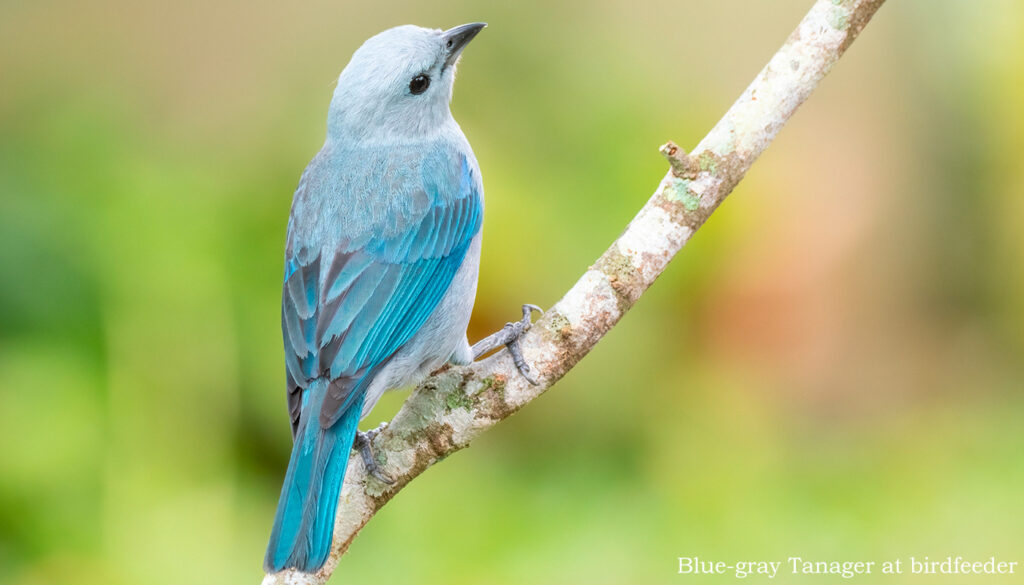
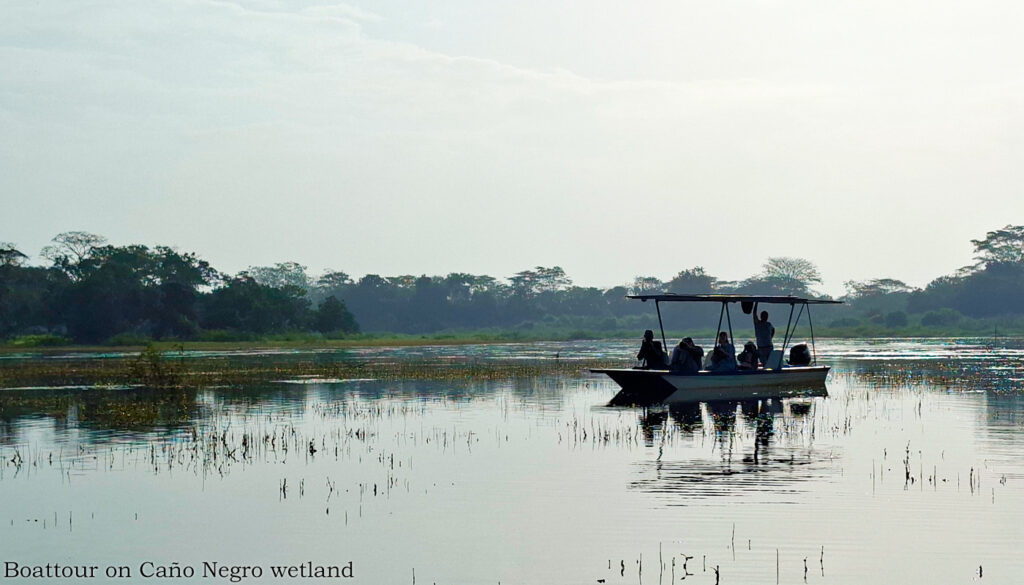
1.Good Light Conditions (Feeders & Boat Tours)
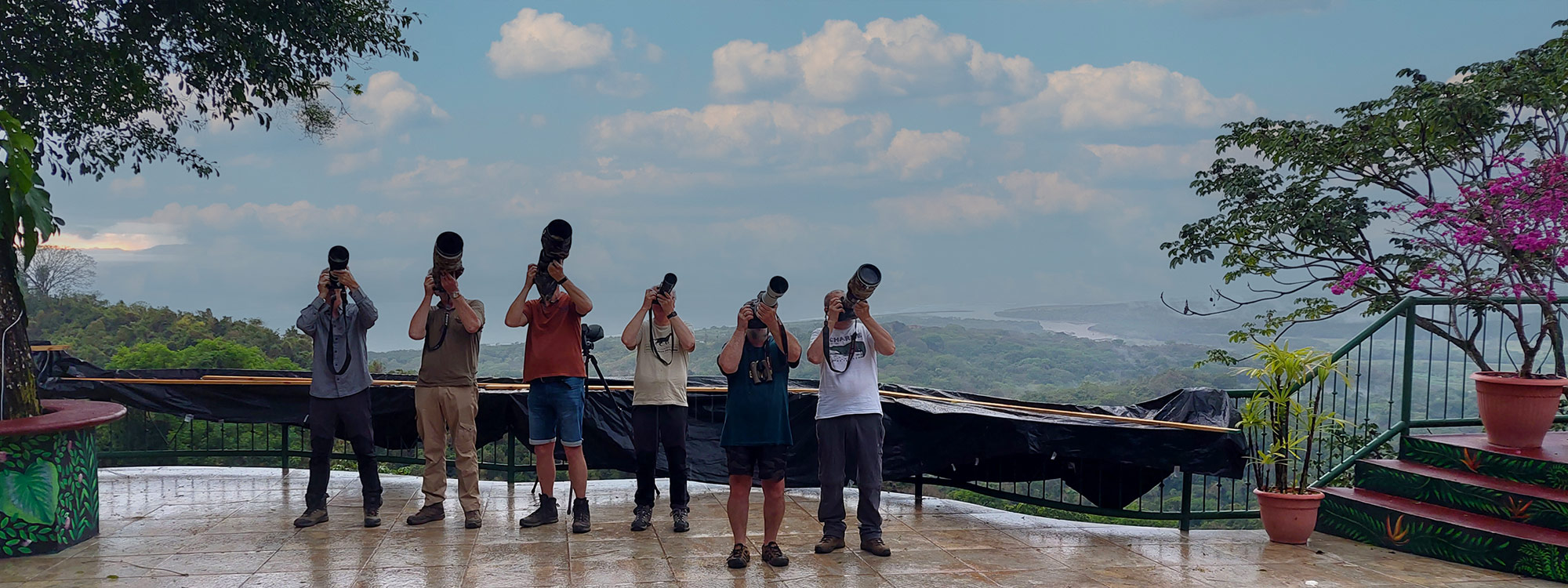
In locations such as bird feeders and boat tours, light conditions are often very favorable—especially during the early morning and late afternoon golden hours. During these times, the light is soft, warm, and ideal for capturing natural colors and fine detail.
Midday light, however, can be harsh, creating strong contrasts and overly bright colors. Unless the sky is overcast, it is generally best to avoid shooting during these hours.
These types of conditions are common in regions like Sarapiquí and Caño Negro, which are regularly included in itineraries such as the Easy Birding Costa Rica tour, where feeders and boat tours provide excellent photographic opportunities.
Key Recommendations:
Shoot during golden hours (early morning & late afternoon)
Position yourself with the sun behind you for optimal exposure
Gear Considerations:
In these situations, your camera is less challenged. A solid mid-range mirrorless camera combined with a zoom lens of 300mm or more is typically sufficient.
Good autofocus remains important for active birds
Image stabilization is useful, especially during boat tours
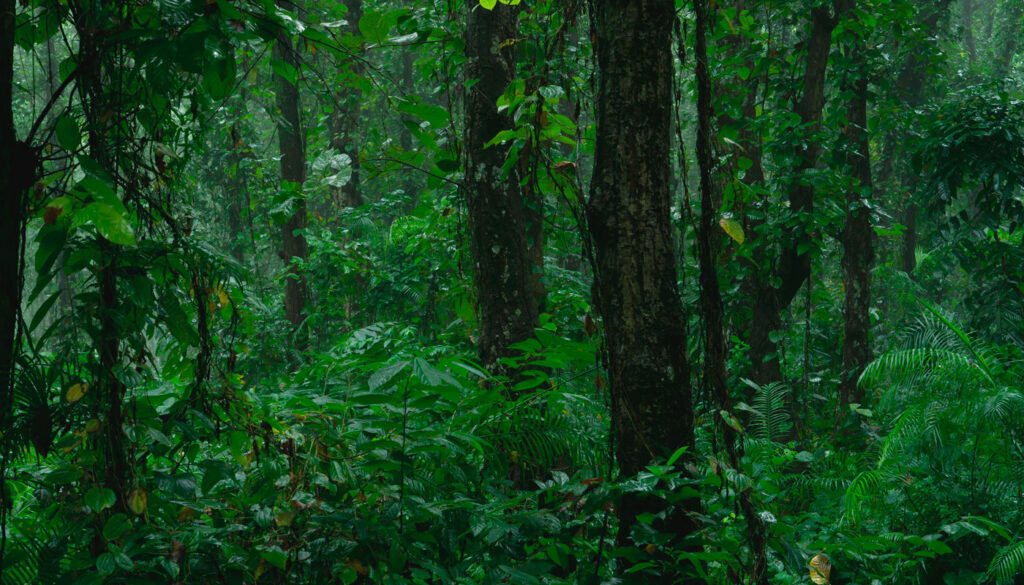
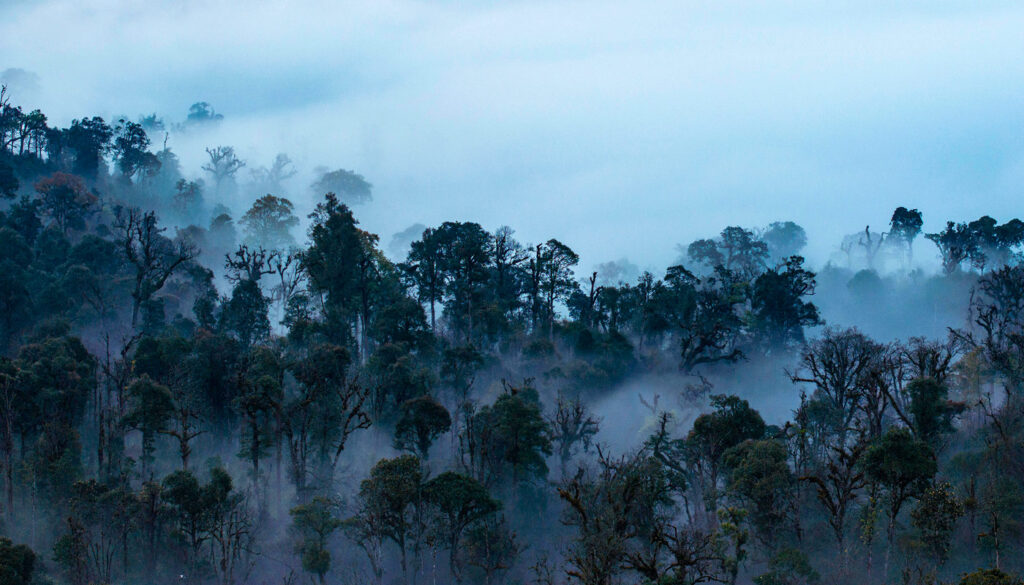
Photographing birds in the rainforest or cloudforest is significantly more demanding. Dense foliage limits the amount of light that reaches the forest floor, resulting in low-light conditions even during the day.
Destinations such as the Osa Peninsula, Monteverde, and San Gerardo de Dota are prime examples of these environments.
Exploring these environments is much more rewarding with expert guidance, as included in comprehensive itineraries like the Birding Costa Rica 4 Ecozones tour, where multiple habitats and lighting conditions are covered.
In these conditions, your camera’s ability to handle high ISO becomes critical.
Why Full-Frame Cameras Perform Better:
Full-frame sensors are larger than crop sensors, allowing them to capture more light. This results in:
Better performance at high ISO levels
Reduced image noise
Greater dynamic range (more detail in shadows and highlights)
Crop sensor cameras can still perform well, but they tend to produce more noise at higher ISO settings, which can reduce image quality in darker environments.
Technical Considerations:
Use higher ISO (1600–6400 or more) when needed
Shoot with wide apertures (f/4–f/5.6) to maximize light intake
Maintain sufficient shutter speed (1/500 or higher) for birds
Prioritize lenses with strong low-light performance
If you’re interested in birding the Carara and Tárcoles region, we’d be delighted to help connect you with an experienced local guide—or arrange a private boat tour on the Tárcoles River tailored to birding.
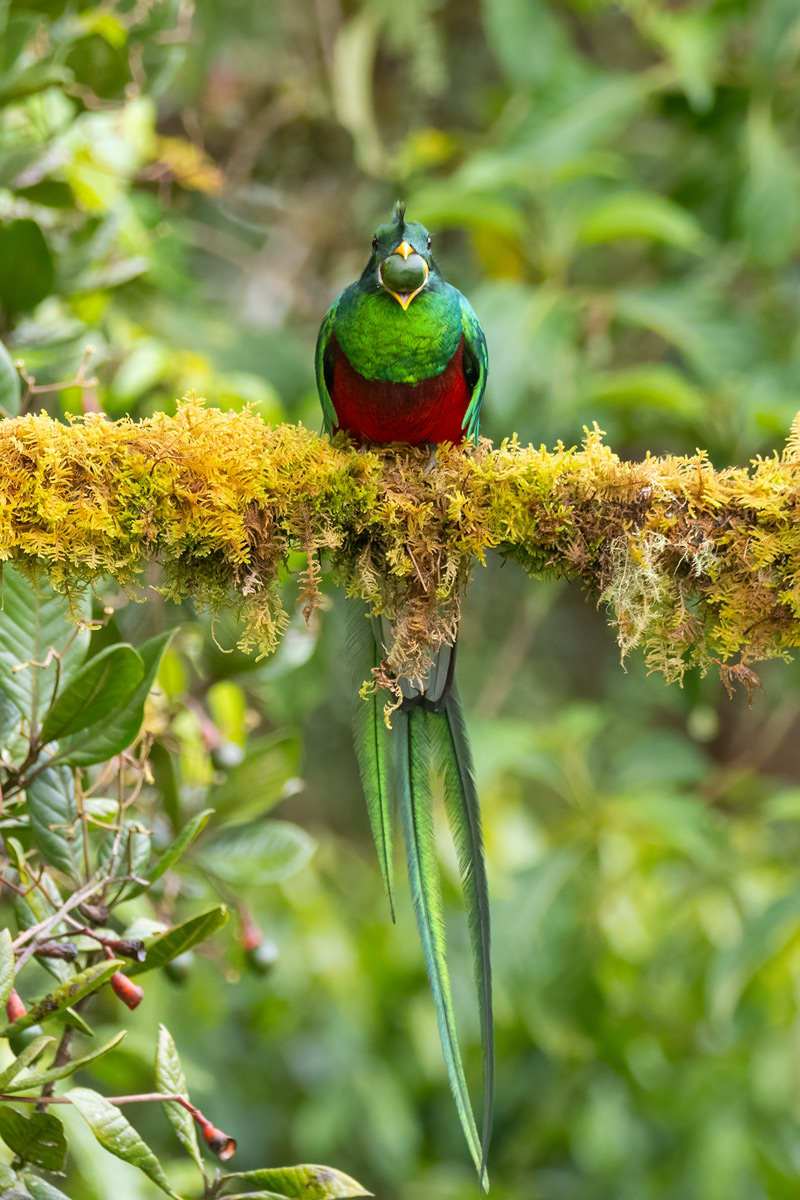
Resplendent Quetzal in Costa Rica cloudforest— iconic species found in challenging low-light conditions.
3.Importance of Burst Mode (Continuous Shooting)
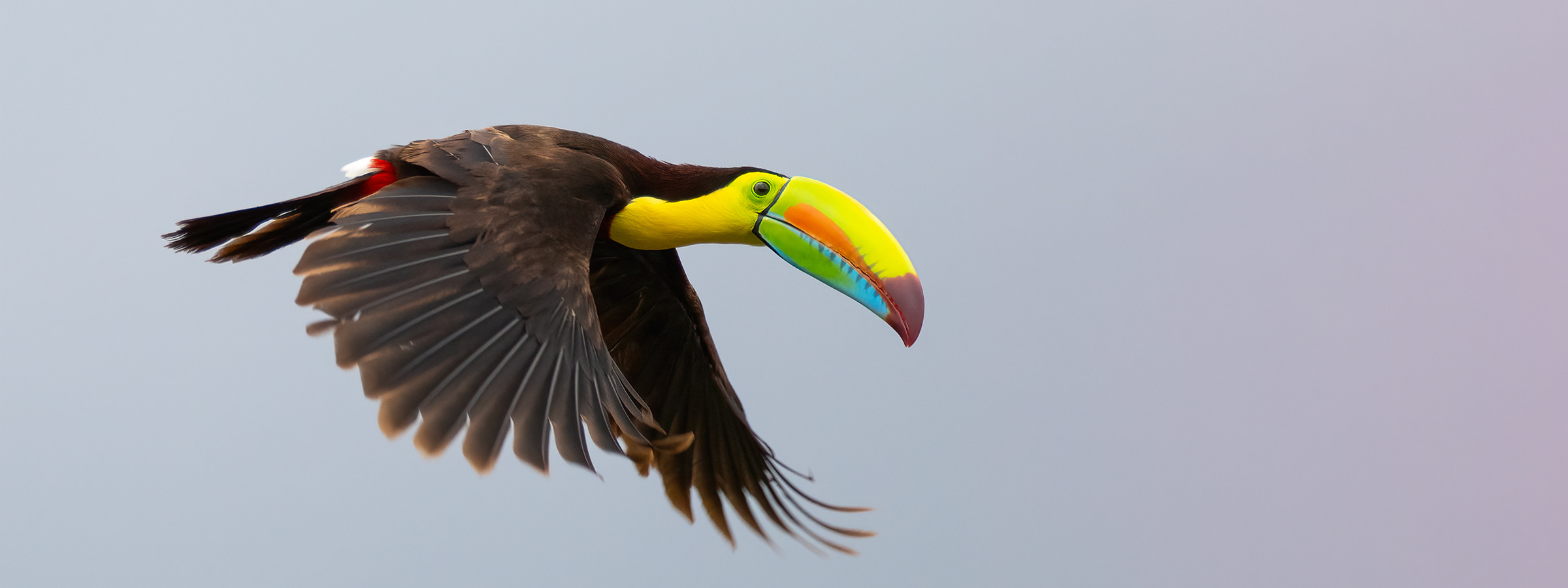
Bird photography often involves fast and unpredictable movement—especially when capturing birds in flight.
A camera with a fast burst mode (frames per second) significantly increases your chances of capturing the perfect moment.
Why It Matters:
Captures multiple wing positions in flight
Increases keeper rate in action sequences
Essential for dynamic species and sudden movement
Recommended: Cameras with 10 fps or higher for optimal performance.
4. Recommended Camera Bodies
Brand
Model
Sensor
Key Strengths
Considerations
Best Use Case
Canon
EOS R5
Full-frame
Exceptional detail, excellent autofocus
Expensive, large files
Professional, low light
Canon
EOS R7
APS-C
High reach, 30 fps burst
More noise in low light
Flight shots
Nikon
Z6 II
Full-frame
Excellent low-light performance
Lower resolution
Rainforest
Sony
A7 IV
Full-frame
Great autofocus, versatile
Moderate burst speed
All-round
Sony
A1
Full-frame
Flagship, 30 fps, elite AF
Very expensive
Action & flight
OM System
OM-1 Mark II
Micro 4/3
Fast, lightweight
Smaller sensor
Travel & action
Key Takeaways:
Full-frame cameras excel in low-light environments
APS-C and Micro 4/3 offer more reach and lighter setups
Autofocus and burst speed are critical across all systems
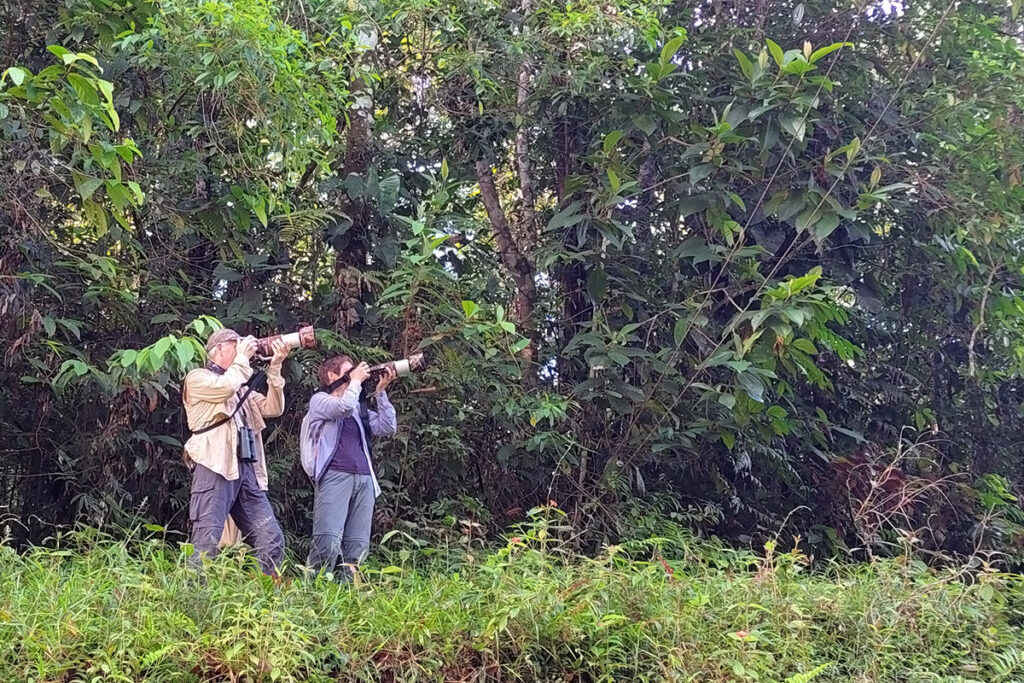
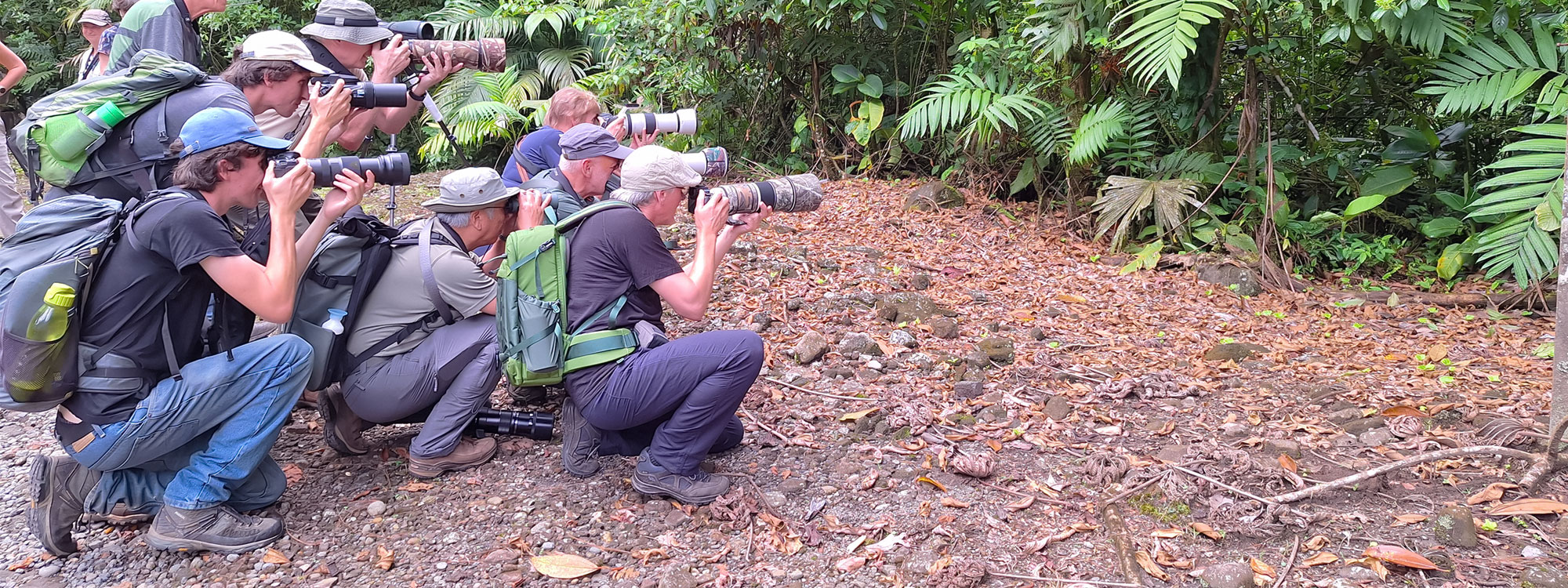
Photographing Antbirds with Telephotolenses in Arenal area, Costa Rica
5. Recommended Telephoto Lenses
Brand
Lens
Focal Length
Strengths
Considerations
Best Use Case
Canon
RF 100–500mm
100–500mm
Versatile zoom, very sharp, relatively lightweight
Expensive, limited reach vs 600mm lenses
All-round birding
Sony
200–600mm G
200–600mm
Excellent reach, great value, internal zoom
Heavier, slower aperture (f/6.3)
Distant birds, wetlands
Nikon
200–500mm
200–500mm
Constant aperture (f/5.6), affordable
Slower autofocus, heavier, DSLR design
General birding
OM System
100–400mm
100–400mm
Compact, lightweight, great reach (crop factor)
Lower low-light performance, less background blur
Travel and hiking
Sigma
150–600mm
150–600mm
Affordable long reach, widely available
Heavier, autofocus less reliable, softer at long end
Entry-level wildlife
In Costa Rica, focal lengths of 400–600mm are ideal for most bird photography situations.
6. Sensor Comparison (Technical Overview)
Feature
Full-Frame
APS-C
Micro 4/3
Low-light performance
Excellent
Good
Moderate
Noise at high ISO
Very low
Moderate
Higher
Dynamic range
High
Medium
Lower
Crop advantage
None
1.5–1.6x
2x
Weight
Heavier
Medium
Lightest
Best use
Rainforest / cloudforest
General birding
Travel & action
What does this mean in practice?
Full-frame cameras perform best in low-light rainforest conditions
APS-C offers a balance between reach and performance
Micro 4/3 is ideal for lightweight travel and action photography
Choosing the right camera and lens setup depends on your goals, budget, and the environments you’ll be photographing in
7. Recommended Setups by Budget
Entry Level
APS-C camera + 150–600mm lens
Best for feeders and open habitats
Mid Range
Full-frame camera + 200–600mm lens
Excellent all-round setup for Costa Rica birding
High End
Professional full-frame + premium telephoto
Best for low light and maximum image quality
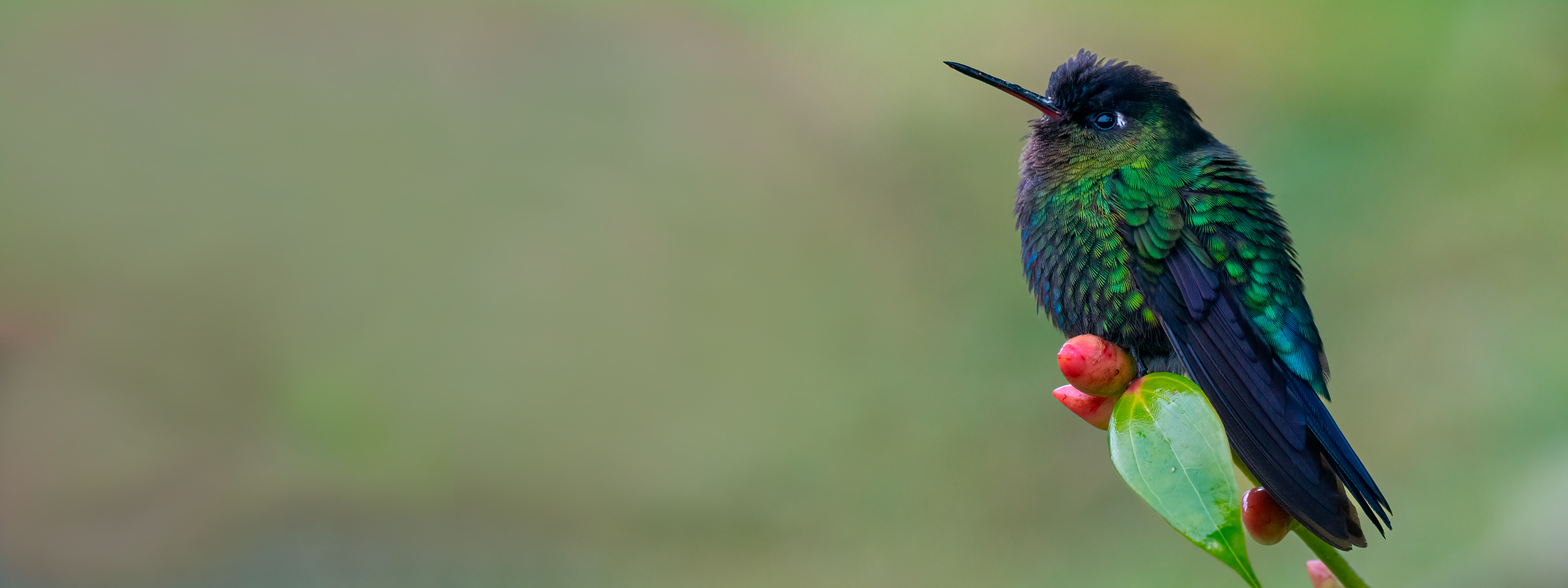
Fiery-throated Hummingbird in Talamanca highlands
8. Final Thoughts
Choosing the right camera gear for bird photography in Costa Rica depends heavily on where you plan to shoot and the lighting conditions you will encounter.
In good light, mid-range gear performs very well
In low-light environments, full-frame cameras offer a clear advantage
Fast autofocus and burst speed are essential for capturing behavior and flight
At Aratinga Tours, we design our itineraries to maximize both light conditions and photographic opportunities—helping you get the best possible results in the field.
Interested in improving your bird photography? Join one of our specialized tours and experience these incredible moments firsthand.
Best Travel Theme
Elementor Demos
With Love Travel WordPress Theme you will have everything you need to create a memorable online presence. Start create your dream travel site today.